
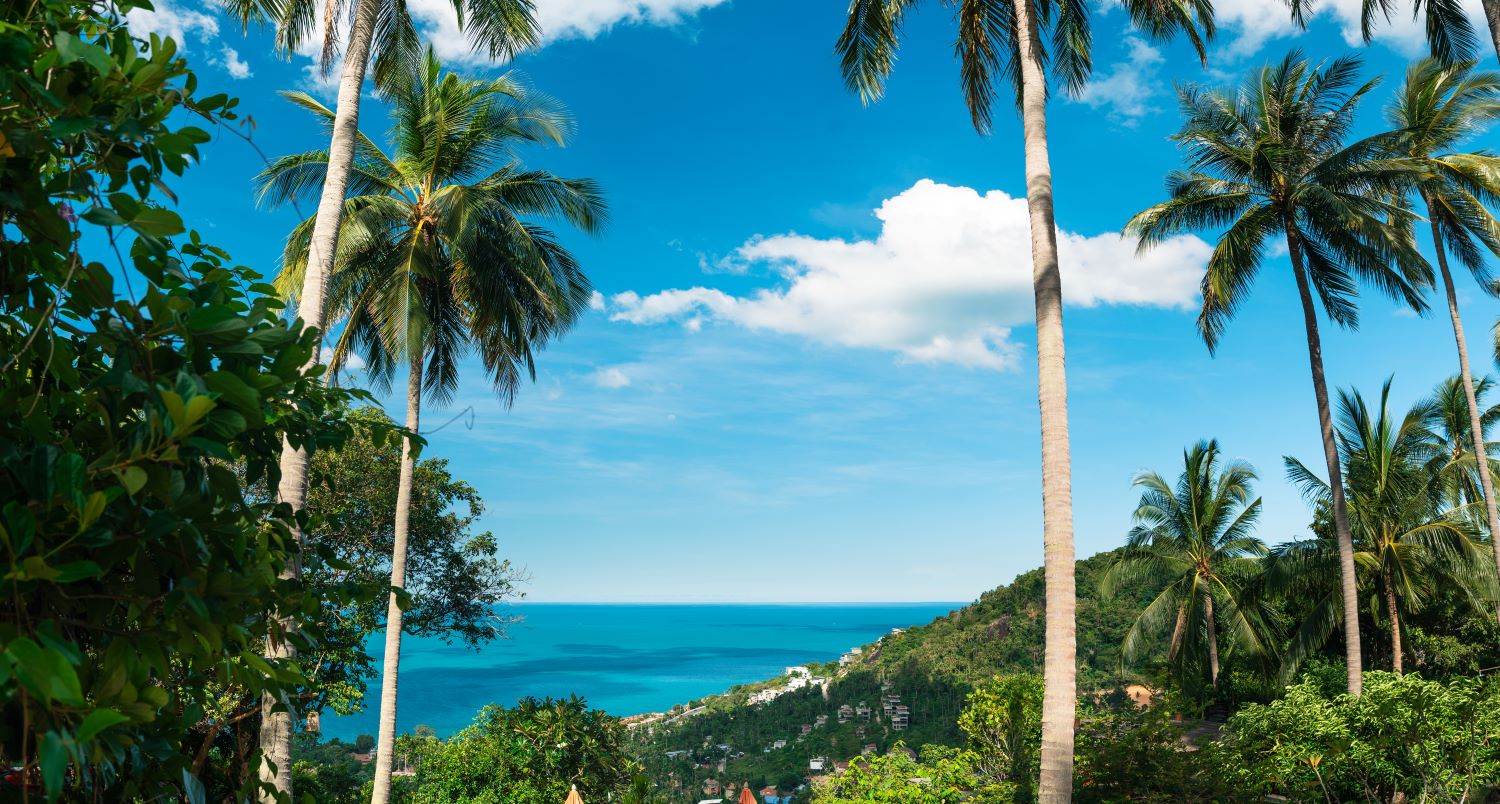
Koh Samui real estate for sale continues to attract buyers looking for a tropical retreat, rental income, or retirement base. In this guide we walk through the current market, typical price ranges, neighborhoods, property types, the buying process for foreigners, and ongoing costs so you can make an well-informed choice. Whether you’re considering a luxury villa with ocean views or a managed condo near the beach, we’ll give practical, realistic guidance grounded in the island’s legal and market realities.
Koh Samui Market Overview
Trends And Price Ranges
Koh Samui’s market has softened and matured since the pre‑2019 boom. After brief pauses tied to travel disruptions, demand is steady from European and Southeast Asian buyers, plus a persistent niche of long‑term residents from Australia and China. We’re seeing two parallel trends: high‑end luxury villas continue to command premium prices (especially with private moorings, full staff facilities, or panoramic vistas), while well‑located condos and smaller homes appeal to investors seeking rental yield.
Price ranges vary dramatically by location and product type. As of early 2026, rough benchmarks are:
- Entry‑level condos (one bedroom, non‑beachfront): $80,000–$160,000.
- Mid‑range condos (beach access, resort facilities): $160,000–$350,000.
- Well‑appointed villas (2–3 bedrooms, private pool, good views): $350,000–$900,000.
- Luxury estates and beachfront villas: $900,000 up to several million dollars.
Remember: marketed asking prices can include foreigner‑friendly leasehold structures or company ownership options, which materially affect value and transferability.
Neighborhood Profiles: Chaweng, Lamai, Bophut, Maenam, Bang Por
Chaweng: This is Koh Samui’s busiest center, nightlife, restaurants, shopping, and a long white sand beach. It’s prime for short‑term rentals and buyers who want convenience and high occupancy rates. Expect higher price per square meter, but also strong tourist demand.
Lamai: Slightly quieter than Chaweng but still lively. Lamai offers a balance between price and demand: it’s attractive to families and buyers who want proximity to services without Chaweng’s crowds.
Bophut (Fisherman’s Village): Upscale, charming, and walkable. Bophut draws couples and families, with boutique dining and a calmer beachfront. Properties here often retain value well and perform strongly on the long‑term rental market.
Maenam: Quiet and family‑oriented, Maenam appeals to buyers seeking tranquility and local community life. Prices are generally lower than Chaweng and Bophut, offering good value for detached houses and larger plots.
Bang Por (Bang Po): An emerging area for those who want raw nature and wide plots. It’s further from the main nightlife hubs but ideal for luxury developments and privacy‑focused buyers. We’re seeing selective investment in high‑end villas and boutique resorts here.
Property Types And Where To Buy
Villas: Private Homes And Luxury Options
Villas are the headline product on Koh Samui, private pools, open‑plan living, and tropical landscaping. They appeal to buyers wanting full privacy and control, and they often command the best nightly rates when marketed as holiday rentals. When we evaluate villas, location is king: sea views, direct beach access, and proximity to transport and dining significantly move the needle on price and occupancy.
For investors, villas require active management (cleaning, maintenance, marketing) but can deliver high returns in peak season. For personal use, a villa gives lifestyle benefits that few condos can match.
Condos: Convenience, Maintenance, And Rental Potential
Condos offer an easier entry point and less hands‑on maintenance. They’re popular among retirees and investors targeting consistent rental income. Condominiums often include management, housekeeping, security, and shared facilities like gyms and pools, attractive to guests and long‑term tenants.
Condo ownership (freehold) is straightforward for foreigners when the apartment unit is purchased in foreign name up to 49% of the building’s foreign quota: but, building‑level restrictions and overall supply affect resellability. Leasehold condos are common too and can be more affordable: just ensure lease terms, transferability, and extension clauses are spelled out in writing.
Where to buy:
- If you want nightlife, restaurants, and the busiest beaches: Chaweng or Lamai condos.
- For boutique appeal and higher long‑term rental yield: Bophut.
- For quieter, family‑friendly living: Maenam or Bang Por condos and houses.
We recommend aligning property type with your objectives: personal use, rental income, capital appreciation, or a mix of all three.
Buying Process And Legal Considerations
Ownership Structures For Foreign Buyers
Foreigners cannot own land in Thailand in fee simple name. The common ownership structures for buyers on Koh Samui are:
- Freehold condo title: Foreigners may own the condo unit in their name (subject to the 49% foreign quota per development).
- Leasehold: Long‑term leases (typically 30 years, renewable) are widely used for houses and villas. Leases should be registered at the Land Office to be enforceable against third parties.
- Thai company ownership: A Thai limited company can hold land, but this requires careful structuring and carries significant regulatory and tax implications: it must be legitimate, arms‑length, and compliant with foreign business restrictions.
- Nominee arrangements: We advise against nominee land titles, they’re high risk and can lead to disputes and possible loss of rights.
Always structure ownership with clear exit strategies and documented shareholder agreements if a company is involved.
Step‑By‑Step Buying Process On Koh Samui
- Property search and shortlisting: Use reputable agents, visit properties, and inspect titles.
- Due diligence: Verify the Chanote (land title), building permits, and any encumbrances at the Land Office. Confirm zoning and potential development limits.
- Reservation and option: Place a reservation deposit and sign an option or sale agreement outlining price, deposit schedule, and conditions.
- Contracts and transfer: For condos, transfer is straightforward at the Land Office. For leaseholds, register the lease. For company purchases, transfers require shareholder and corporate documents.
- Payment and taxes: Pay transfer fees, stamp duties, withholding taxes (if applicable), and specific business taxes if the seller is a developer.
- Handover and registration: Ensure utility accounts, management handover, and title registration are completed.
We recommend budgeting an additional 3–5% of purchase price for transaction taxes, legal fees, and closing costs.
Working With Agents, Lawyers, And Due Diligence
We strongly recommend working with independent legal counsel and a reputable local agent. A trustworthy real estate agent helps identify suitable listings and negotiate terms: a lawyer ensures the title, permits, lease clauses, and tax consequences are clean.
Due diligence checklist we use:
- Verify the Chanote (Nor Sor 4 and Nor Sor 3 differ in legal certainty).
- Check for mortgages or liens.
- Confirm building approvals and EIA (environmental impact assessment) if required.
- Review utility access, road easements, and flood risk.
- Validate the developer’s track record for new builds or off‑plan purchases.
Clear documentation and independent checks reduce surprises and protect our investment.
Financing, Costs, And Taxes
Financing Options And Mortgage Reality For Foreigners
Local Thai banks rarely lend to non‑residents for property on Koh Samui: where they do, loan‑to‑value is conservative and interest rates can be higher than international mortgages. More common paths include:
- Overseas mortgages secured against property in the buyer’s home country.
- Developer financing for off‑plan units or condos, terms vary and require due diligence.
- Cash purchases, the simplest and often most advantageous in terms of negotiation power.
If we need financing, we shop both local and international lenders early in the process and confirm cashflow projections for rental scenarios.
Ongoing Costs: Maintenance, Fees, And Utilities
Owning property on Koh Samui comes with predictable ongoing costs:
- Condo common fees and sinking fund contributions, typically paid monthly and scale with unit size and facilities.
- Villa maintenance: pool cleaning, garden, staff or contractor payments, expect these to range from a few hundred to several thousand dollars per month depending on property size and service level.
- Utilities: electricity is a notable expense, especially for large villas with air‑conditioning and pools.
- Property tax: Thailand’s property tax regime includes land and building taxes and a recently reformed asset tax system: rates are generally modest but should be budgeted.
- Insurance: building, contents, and liability coverage, essential if you rent the property short term.
We typically advise clients to set aside an annual maintenance reserve of 1–3% of property value for repairs, furnishings replacement, and occasional upgrades.
Putting it together: factor purchase price, transaction costs, financing, and ongoing expenses into a five‑year cash flow model to see realistic ROI and break‑even timelines.
Conclusion
Koh Samui real estate for sale offers a range of choices from budget condos to ultra‑luxury villas, and each option demands a different strategy. We recommend clarifying your goals first, lifestyle, rental income, or capital growth, then matching product type and neighborhood to those goals. Key takeaways:
- Prioritize verified title documents (Chanote) and professional legal advice.
- Align property type with management appetite: villas need more hands‑on oversight: condos simplify operations.
- Expect limited local mortgage availability: many buyers pay cash or secure financing abroad.
- Budget for closing costs, taxes, and ongoing maintenance: conservative cashflow models protect against seasonal variation.
If you’d like, we can help evaluate properties, run rental yield estimates, or connect you with vetted lawyers and property managers on Koh Samui. With careful due diligence and a clear plan, buying on the island can be both personally rewarding and financially sensible.